
Cleaner copy
Reduces distracting grammar, spelling and punctuation issues.
When the structure and writing are already in place, proofreading helps remove distracting language errors before your book reaches readers.
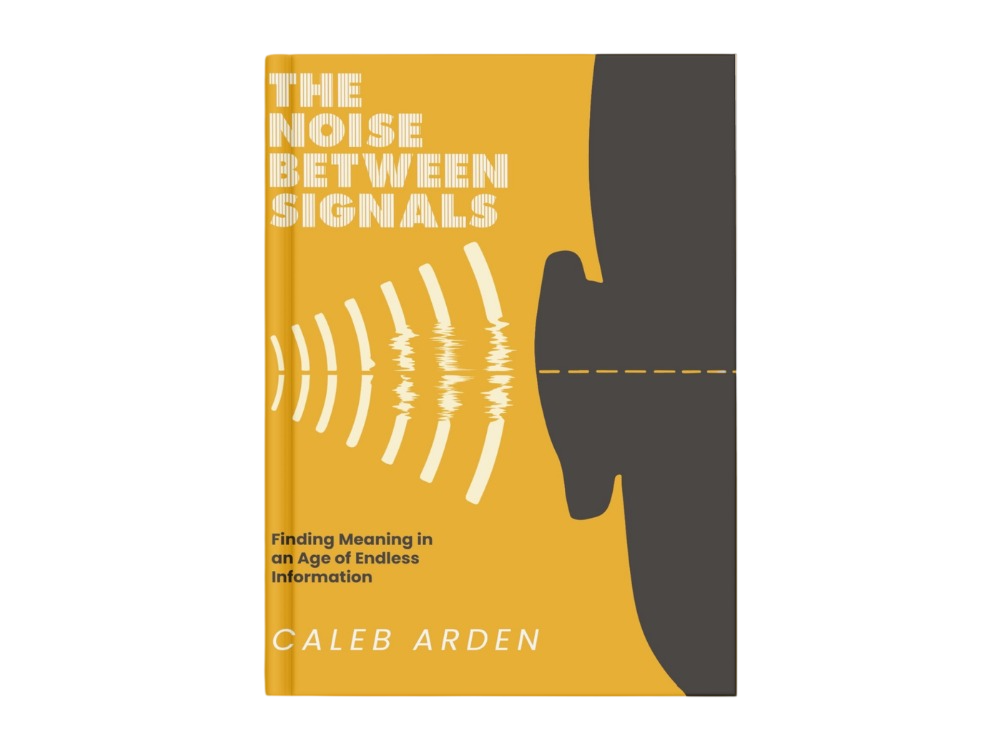
Typography-led cover work pairs well with proofreading because clear presentation starts with clear, refined text.
Proofreading is the final quality-control stage. It focuses on surface-level errors that can reduce trust in an otherwise strong manuscript.
Choose proofreading when the manuscript has already been revised and edited, and you are primarily concerned with final correctness rather than deeper rewriting or stylistic development.
Proofreading is lighter and later-stage. Copy editing is more involved and may adjust sentences for clarity, consistency and correctness. If you are unsure, share the manuscript stage when requesting a quote.
Proofreading is especially valuable when the manuscript is already strong, but still needs a final sweep before reaching readers or moving into production.
Reduces distracting grammar, spelling and punctuation issues.
Helps maintain capitalization, style and small mechanical details.
Supports a cleaner finish before publishing, printing or sharing publicly.
Detailed spreads benefit most when every small inconsistency is resolved before final delivery.
These are related but different stages. This comparison helps visitors choose more confidently.
Best when the writing and structure are already in good shape and you mainly need final correction.
Best when the manuscript still needs improvement in clarity, wording, flow or sentence-level consistency.
When the book is nearly ready, proofreading helps remove the final distractions that pull readers out of the page.